Question 1
Architecture strategy · Enterprise Architecture in the Age of AI
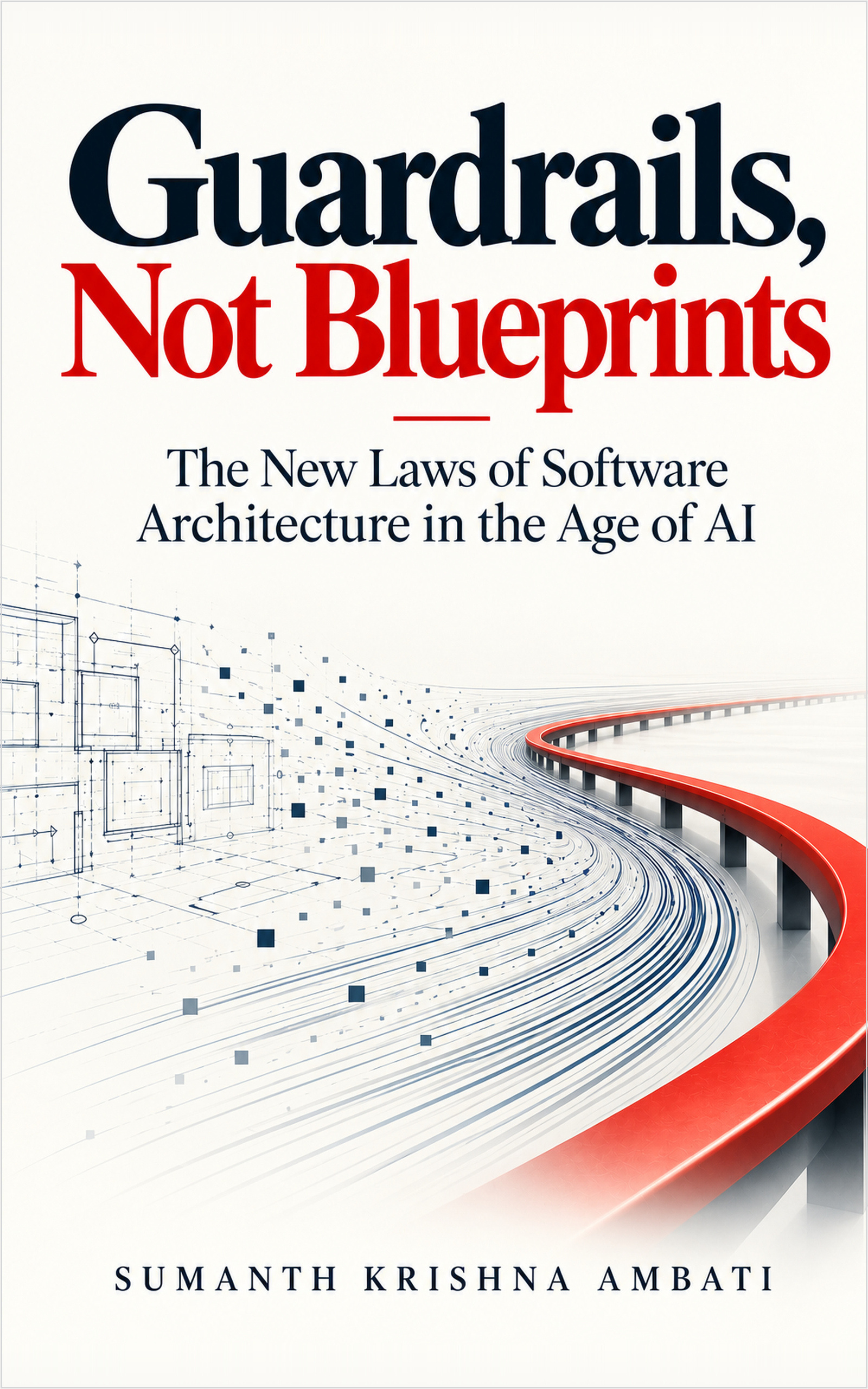
Guardrails, Not Blueprints
Twelve Laws for Architecture in the Age of AI
When code becomes cheap, architecture must govern what is allowed to be built.
From book to practice
Explore the instructor-led training for this topic.
Go deeper with guided architecture exercises, discussion and practical learning outcomes at the Enterprise AI Architecture Academy.
Explore related training ↗Inside the book
Why this book matters
When software can be generated rapidly, the challenge shifts from producing code to keeping systems coherent over time. This book explores architecture as a set of clear, enforceable boundaries that help teams move quickly without multiplying hidden dependencies, ownership gaps and long-term maintenance costs.
Who this is for
Enterprise and solution architects, CTOs, engineering leaders and platform teams navigating AI-assisted software delivery.
Questions worth exploring
What decisions does this book help you think through?
Question 2
How do we measure architectural drift as delivery accelerates?
Question 3
How can teams preserve autonomy without sacrificing system coherence?
Perspectives to take into your work
- Distinguish architectural intent from enforceable controls.
- Think in lifecycle costs, not just implementation speed.
- Make ownership, interfaces and exceptions visible.
These are editorial reading themes based on the book's subject, not a reproduced table of contents or a claim about specific chapters.
Continue your journey
One book opens the next question.
The four books explore complementary parts of enterprise AI architecture. Choose the next perspective that helps you make better decisions.